







Search Results for: Natural Coffee
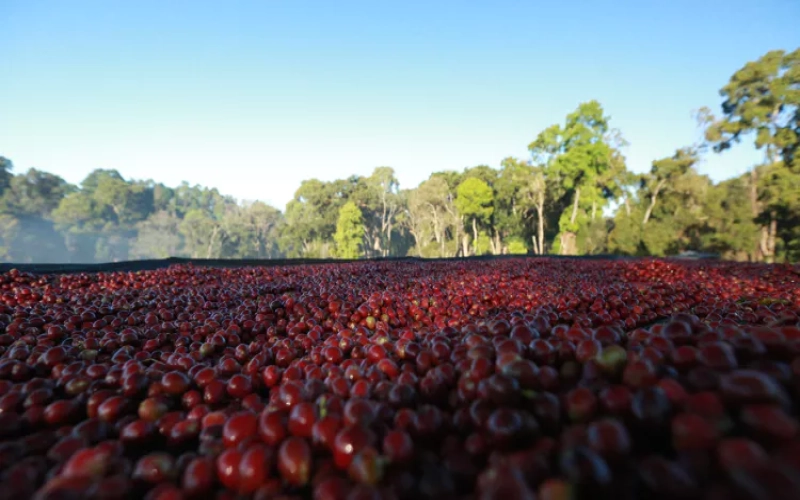
The Evolution of Ethiopian Natural Processing: From Traditional Natural to Refined Natural, How Does the Flavor of Hambela Huakui Differ?
Coffee processing methods have a decisive influence on flavor direction. As the oldest processing method, natural drying has evolved from crude and rough to refined and controllable. From the perspective of Front Street Coffee, this article sorts out the basic principles and historical limitations of natural processing, compares the quality differences between traditional natural processing and refined natural processing, and uses the Hambela G1 coffee from the Guji zone of Sidama, Ethiopia, as an example to analyze how natural processing gives coffee a full body and dark berry notes. It also includes Front Street Coffee's brewing parameters and technique suggestions to help enthusiasts better present the fruit acidity and sweetness of naturally processed beans. [more…]
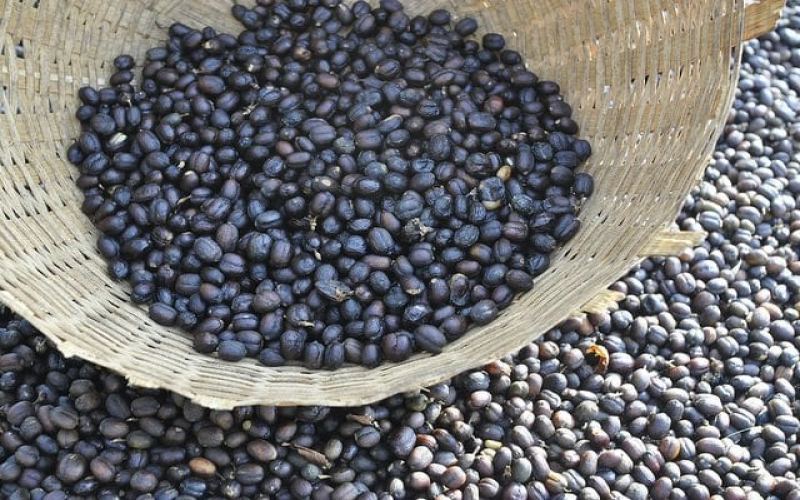
A Comprehensive Analysis of the Natural Process: From Traditional Drying to the Flavor Code of Specialty Coffee
The natural process is the oldest method of processing coffee beans, drying coffee cherries together with their pulp under the sun, known in English as Natural. This processing method maximizes the retention of sugars and aromas in the pulp, giving the coffee beans rich tropical fruit flavors, full-bodied fermentation notes, and sweetness. However, traditional natural processing was once heavily criticized for inconsistent quality control, until the rise of the specialty coffee wave, when refined natural processing techniques revived this ancient method. This article will guide you through the principles of the natural process, its historical evolution, the revolutionary significance of the Red Cherry Project, as well as recommendations and brewing parameters for several Front Street natural process coffee beans, allowing you to deeply experience the unique charm of natural coffee. [more…]
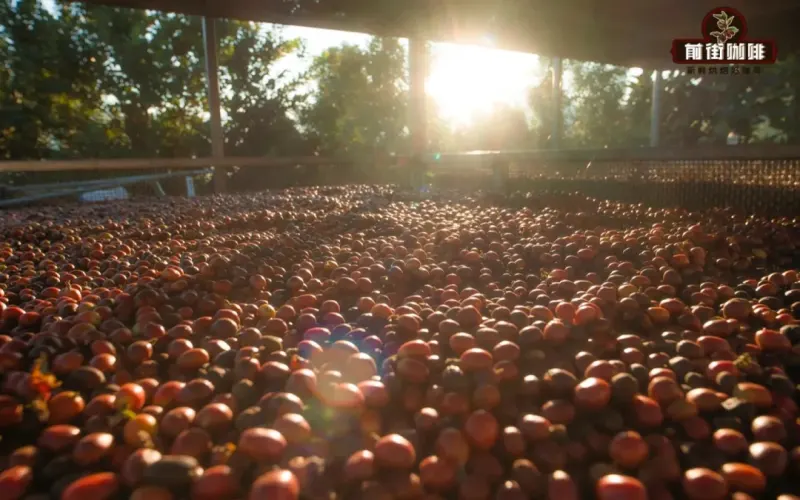
A Complete Guide to Coffee Processing Methods: Differences Between Natural, Washed, and Pulped Natural
The flavor of coffee depends not only on origin and roasting—the processing method also plays a key role. As the oldest processing technique, the natural process uses sunlight and air to dry the fruit. The washed process, invented by the Dutch in the 18th century, removes the mucilage by soaking in water, resulting in a clean, bright cup. So what exactly are semi-natural, semi-washed, pulped natural, and pulped natural, which fall somewhere in between? They actually all refer to the same processing method, created by Brazil to suit local conditions, balancing cleanliness and water conservation. This article will systematically sort out the origins, procedures, and differences of these processing methods, analyze the subtle distinctions between honey processing and pulped natural, and finally share the brewing and flavor notes of Front Street Coffee's Brazil Cerrado semi-natural. [more…]
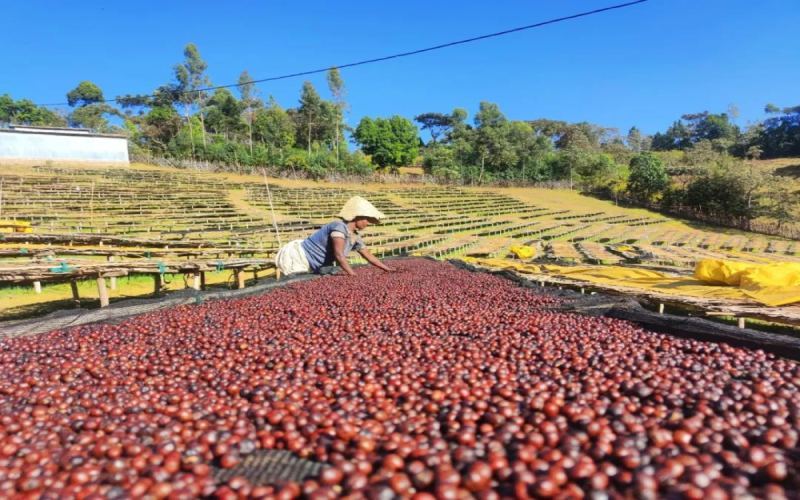
Analysis of the Natural Process Workflow and Flavor Characteristics: A Beginner's Guide to Green Coffee Processing from Traditional to Specialty Natural
The final flavor profile of a cup of coffee is determined not only by variety and origin, but also by the way the green beans are processed. As one of the oldest coffee processing methods, the natural process has re-emerged as a focal point in the specialty coffee world in recent years, thanks to its rich fruity aromas and full-bodied sweetness. This article, from the perspective of Front Street, systematically walks through the complete steps of the natural process, compares traditional natural processing with refined natural processing, explains in detail each stage from picking and sorting, drying, to hulling and storage, and introduces two representative Front Street natural-processed coffee beans — Huakui and the 2013 Typica — to help coffee enthusiasts fully understand the appeal of the natural process. [more…]
A Complete Guide to Coffee Processing Methods: The Differences Between Natural, Washed, Semi-Washed, and Semi-Natural and Their Impact on Flavor
The flavor of coffee not only originates from the altitude and climate of its producing region; the processing method also plays a key role. Based on the practical experience of Front Street Coffee, this article systematically reviews the procedures, advantages and disadvantages, and flavor impacts of four processing methods: natural, washed, semi-washed, and semi-natural. The washed method brings a clean and bright taste but is somewhat thin, while the natural method imparts a richer body and sweetness; semi-washed and semi-natural are actually the same type of pulp natural method, widely used in water-scarce regions such as Brazil. The article also uses Front Street washed Yirgacheffe, natural Red Cherry, and Brazil Queen Estate as examples to specifically explain the performance of different processing methods in the cup, and includes brewing suggestions, making it suitable for coffee enthusiasts to gain a deeper understanding. [more…]
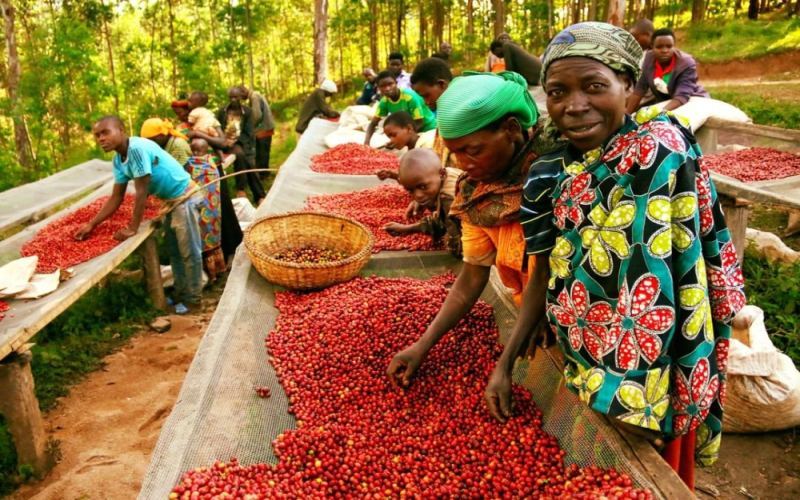
Analyzing the Processing Flow of Yirgacheffe Natural Sun-Dried Coffee Beans: A Comparison of the Pros and Cons of the Natural Method and Its Flavor Performance
The natural process lets coffee cherries dry in the sun with the fruit still intact, and weather conditions directly determine the final quality. Front Street Coffee believes that natural beans can amplify the flavors inherent to the variety, offering high body, intense aroma, and a fermented sweetness. This article provides a complete breakdown of the natural method, from collection, sorting, drying, and depulping to grading and storage, analyzing its advantages of water savings and distinctive flavor as well as its shortcomings of being at the mercy of the weather and difficult quality control. It then focuses on the two major producing regions of Ethiopia Yirgacheffe and Guji Hambela, comparing the actual brewing performance of Front Street Natural Red Cherry and Natural Huakui, and includes parameter suggestions for V60 medium-light roast beans for coffee enthusiasts' reference. [more…]
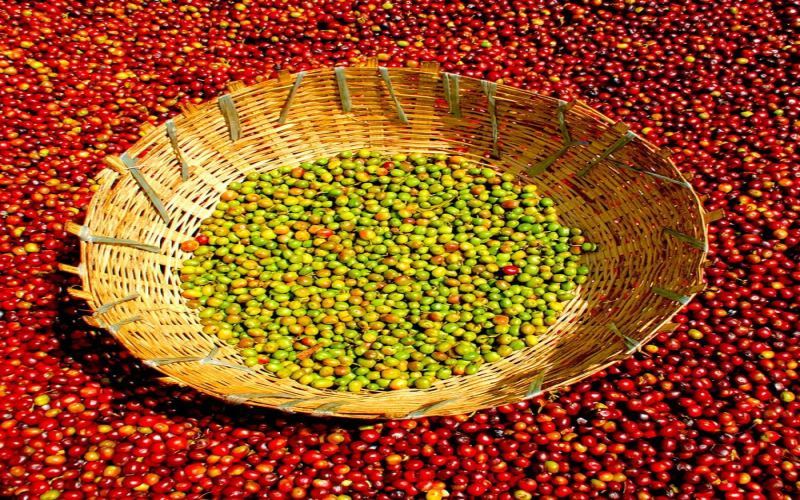
A Complete Analysis of Sun-Dried Coffee Bean Processing: Natural Drying Method Steps, Time Required, and Flavor Characteristics
As the oldest coffee processing method, the natural process is favored by many coffee lovers for its simple operation and unique flavor. About 40% of the coffee beans at Front Street Coffee stores are naturally processed, including Natural Yirgacheffe, Natural Panama Geisha, and Natural Brazilian beans. This article will systematically outline the complete natural process—from fruit picking and sorting, through weeks of drying, to hulling and storage grading—and explain why naturally processed beans look yellowish and less attractive yet still deliver outstanding flavor. It also uses three Front Street natural beans as examples to share pour-over parameters and brewing techniques, presenting their respective cupping flavor profiles, helping readers gain a comprehensive understanding of the characteristics and tasting points of the natural process. [more…]

Analysis of Pour-Over Choices and Flavor Characteristics for Ethiopian Sidamo Natural Process Coffee Beans
The flavor profile of coffee is closely tied to how the green beans are processed. As one of the oldest coffee processing methods, the natural process has undergone a long evolution in quality, from the crude ground-drying of early days to today's meticulous raised-bed management. Natural beans from the Sidama region of Ethiopia have gradually won the favor of the specialty coffee world with their full body and bright berry notes. From the perspective of Front Street Coffee, this article traces the evolution of the natural process, compares the flavor differences between washed and natural coffees, and uses the new-crop Huakui as an example to provide specific pour-over parameters and extraction ideas, helping coffee lovers more clearly understand the logic of selecting and brewing natural coffee beans. [more…]
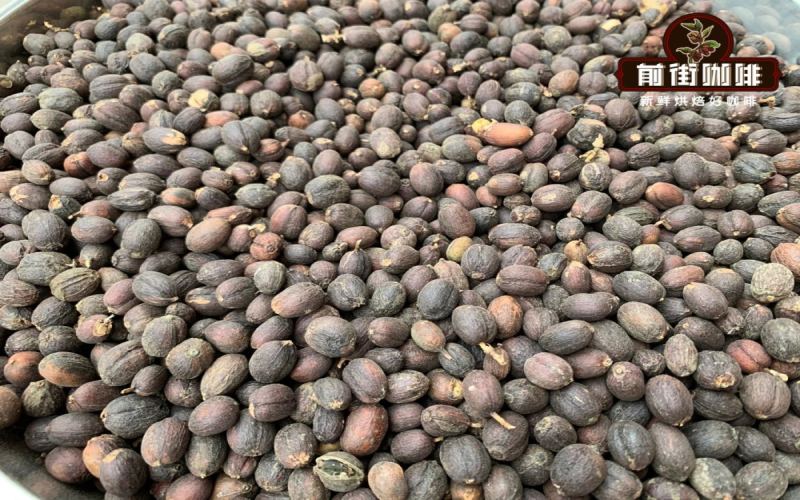
How Do Natural, Semi-Natural, Washed, and Honey Processing Differ? Analyzing the Flavor and Mouthfeel Characteristics of Natural Coffee Beans
The processing method of green coffee beans directly influences the flavor profile of the final cup. As the oldest and least expensive processing technique, the natural process spreads whole coffee cherries out to dry, giving the beans a rich sweetness and fruity character; the washed process removes the skin and pulp before drying, producing a clean acidity; Brazil has found a balance between water conservation and quality in the semi-washed process; and the honey process leaves the mucilage on the beans during drying, bringing a fresh and full-bodied tropical fruit flavor. This article will compare the technical details, advantages and disadvantages, and corresponding cup profiles of these four processing methods one by one, while also introducing several representative beans from Front Street Coffee that correspond to each process. [more…]
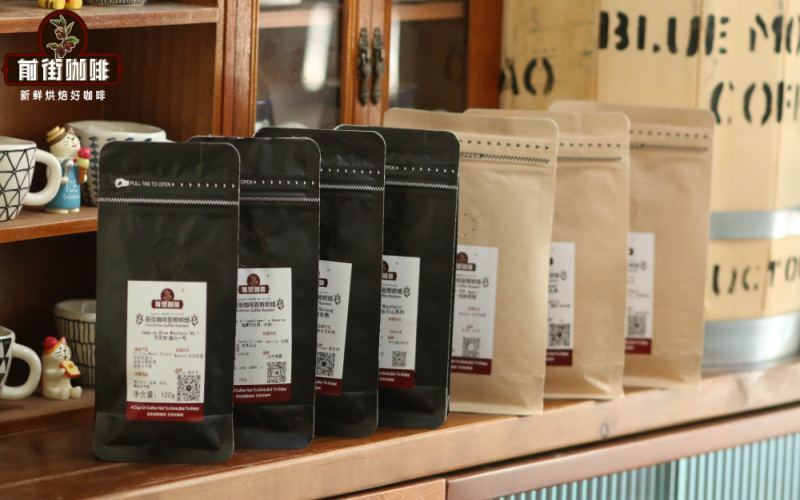
Blue Mountain Natural and Hacienda La Esmeralda Blue Label Geisha: How Two Processing Methods Reshape Classic Coffee Flavors
When Jamaica Blue Mountain first attempted natural processing, while Panama's Hacienda La Esmeralda extended the natural method to its Blue Label Geisha, an interesting intersection in processing methods emerged between two coffees representing Old World and New World styles. Front Street Coffee conducts a side-by-side comparison of washed and natural versions, systematically examining from green bean appearance, roasting curves, to cupping flavors how processing methods affect coffee's sweetness, aroma, and cleanliness, helping enthusiasts understand the essential differences and respective advantages of washed and natural processing. [more…]
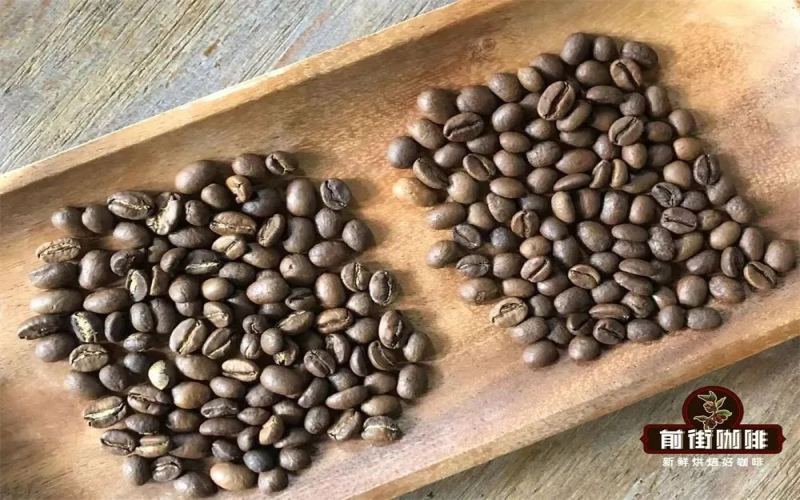
A Complete Guide to Natural and Washed Coffee Processing: Step-by-Step Procedures, Flavor Differences, and Green vs. Roasted Bean Comparison
When buying coffee beans, the packaging often indicates processing methods such as natural, washed, and honey. What exactly is the difference between natural and washed? Front Street Coffee takes you through the structure of the coffee fruit to explain in detail the specific steps, advantages and disadvantages, and flavor characteristics of the two processing methods. It also uses two Yirgacheffe coffees—Front Street Natural Red Cherry and Washed Gudingding—to compare the silver skin differences between green beans and roasted beans, and to analyze the fermented sweetness of natural beans and the bright cleanliness of washed beans. Only by understanding processing methods can you better choose the flavor you love. [more…]
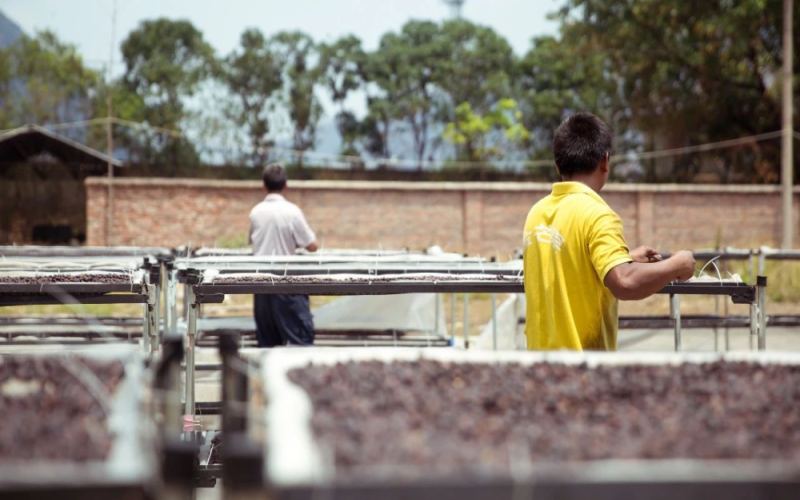
What's the difference between washed and natural coffee beans? Comparing flavor, sweetness, and processing method differences from Blue Mountain to Geisha
Washed and natural are the two most classic coffee processing methods. How do different processing methods affect the flavor direction of the same bean? Front Street Coffee uses Jamaica Blue Mountain No. 1 and Panama Hacienda La Esmeralda Blue Label Geisha as samples, comparing their washed and natural versions respectively, conducting a comprehensive analysis from processing principles, green bean appearance, roasting curves, to cup tasting flavors. The article also explains in detail the refined natural process, the details of washed fermentation, and the actual performance of the two processing methods in terms of sweetness, cleanliness, and layering, helping coffee enthusiasts understand the flavor logic that natural tends to be sweeter while washed tends to be cleaner. [more…]
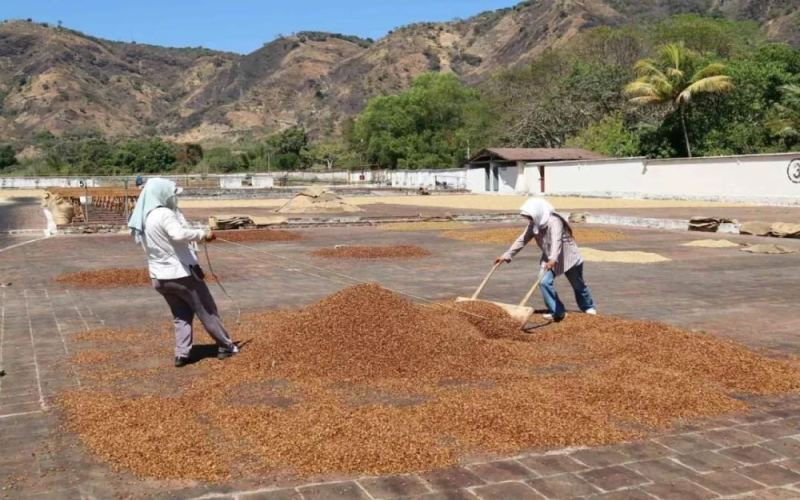
A Complete Guide to Brazil's Pulped Natural Process: Pectin Retention, Flavor Characteristics, and Its Connection to Honey Processing
Among the three major coffee processing methods, natural and washed are easy to understand, but pulped natural (also known as semi-washed) often confuses people. This processing method was born in Brazil in 1990, and its proper name should be Pulped Natural, that is, the pulp natural method. It retains the step of removing the peel and pulp as in the washed method, while also drawing on the sun-drying method of the natural process. Because the soaking time is short, part of the pectin is retained, thereby saving water, shortening the drying cycle, and reducing the risk of infection. This article will explain in detail its background, processing flow, and flavor performance, and trace its origins with Costa Rican honey processing, while also introducing the specific information of a pulped natural Brazilian Red Bourbon from Front Street Coffee. [more…]
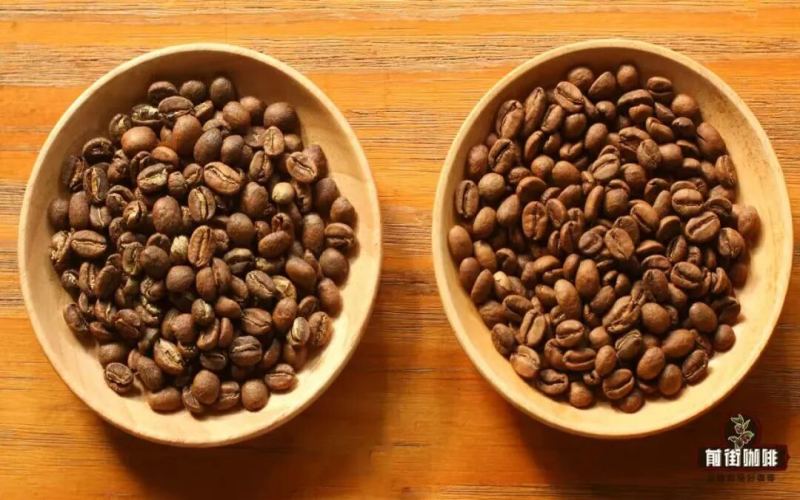
Coffee Bean Identification | What Are the Differences Between Washed and Natural Coffee? How Can Coffee Beginners Learn to Tell Natural Beans from Washed Beans?
If you often drink pour-over coffee, Front Street believes you've probably seen friends who can tell washed and natural processed coffee apart at a glance, or with a single sip. Because they distinguish them so quickly, many friends are amazed and wonder how on earth they do it. Just yesterday, [more…]
Washed Processing vs. Red Wine-Style Natural Processing: A Full Analysis of Flavor Differences, Process Pros and Cons, and Taste Characteristics
What do the labels commonly seen on coffee packaging—natural, washed, honey—actually mean? This article focuses on the natural process and its innovative offshoot, the red wine–style natural process. Starting from the structure of the coffee fruit, it breaks down in detail the steps of the natural method, its cost advantages, and defect risks, and further explains how the red wine process uses controlled fermentation to enhance sweetness, cleanliness, and complex acidity. The article also draws on specific products such as Front Street Red Cherry, Huakui, ALO, and the Panama Hartmann Estate to show how traditional natural and red wine natural coffees actually perform in aroma and mouthfeel, helping coffee lovers understand more clearly how processing methods influence the flavors in the cup. [more…]
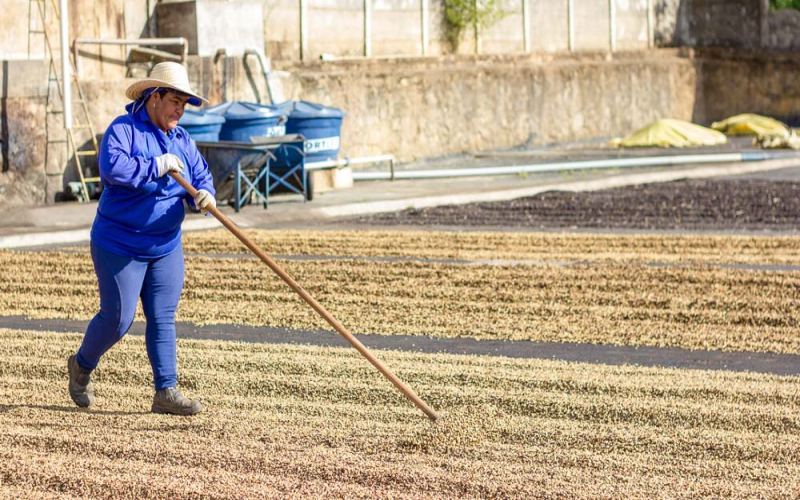
Brazilian Pulped Natural Processing Explained: The Pulped Natural Method and Its Similarities and Differences with Costa Rican Honey Processing
Among the many ways of processing green coffee, natural and washed have long been familiar to most people, while terms like semi-natural and semi-washed often cause confusion. In fact, semi-natural and semi-washed refer to the same process, whose accurate name is Pulped Natural. This processing method was born in Brazil in 1990, a product of local adaptation to conditions of scarce water resources. It retains the step of washed processing that removes the skin and pulp, while also relying on a short soak-fermentation followed by sun-drying with residual mucilage, thereby balancing water conservation with quality stability. In this article, Front Street Coffee will systematically sort out the origin of pulped natural, its specific process, and its influence on coffee flavor, and further explore how Costa Rican honey processing draws on this technique and develops its own characteristics, while illustrating with specific products such as Front Street Coffee Brazil Cerrado. [more…]
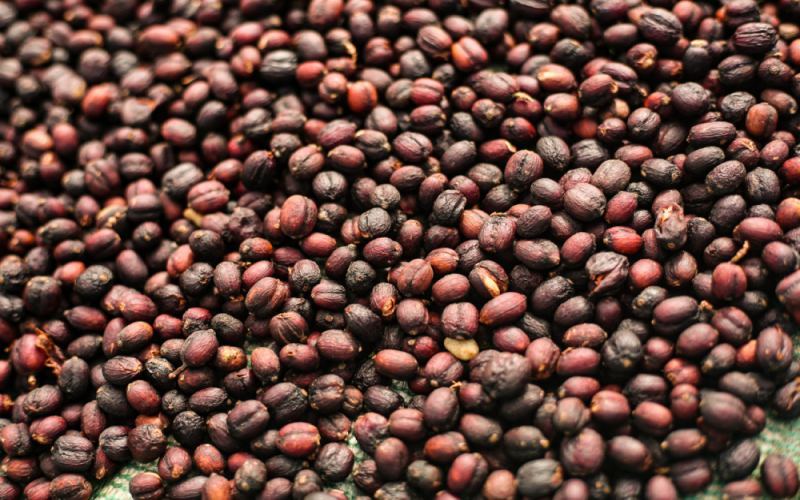
A Complete Guide to Coffee Bean Processing Methods: Traditional Natural vs. Specialty Natural and Five Single-Origin Pour-Over Recommendations
The flavor of coffee beans depends largely on the processing method, and among these, the natural process is one of the oldest and most representative methods. This article first introduces the basic workflow of traditional natural processing, its advantages and disadvantages, and its impact on flavor, then takes a deeper look at the detailed steps and unique taste of fine natural Yirgacheffe. After that, we recommend five widely praised specialty natural coffee beans for coffee lovers, including Front Street Natural Red Cherry, Huakui, Yunnan Typica, Hacienda La Esmeralda Diamond Mountain, and Fazenda Rainha, along with the region, estate, altitude, variety, and flavor description of each bean, to help you understand the charm of natural coffee more systematically. [more…]
An Analysis of the Pros and Cons of Natural Process Coffee Beans: Flavor Characteristics, Processing Risks, and Price Factors
As one of the oldest methods of primary coffee processing, the natural method still dominates in producing regions such as Ethiopia and Yemen. This processing method places ripe coffee cherries directly under sunlight to dry naturally, then removes the skin and pulp, placing extremely high demands on climate and labor throughout the entire process. Properly processed natural beans can present outstanding sweetness, body, and ripe fruit notes, but if poorly managed, they are prone to mold and over-fermentation, causing drastic fluctuations in quality. This article will analyze the natural process from the perspectives of its workflow, climate requirements, flavor characteristics, advantages and disadvantages, and cost structure, and introduce the high-value natural single-origin beans under the Front Street brand, helping coffee enthusiasts fully understand the value and risks of this processing method. [more…]

The Pros and Cons, Production Process, and Flavor Analysis of Naturally Processed Coffee Beans
This article is written by the content team of Front Street Coffee (FrontStreet Coffee) and provides a comprehensive discussion of the characteristics of the natural process, the oldest method of coffee processing. The article candidly acknowledges its dependence on sunny weather and the disadvantage of a plain-looking finished product, while gradually breaking down the steps from fruit selection and sun-drying to hulling and storage. Using representative natural-process beans that make up forty percent of the beans on Front Street Coffee's shelves—Natural Yirgacheffe Aricha, Natural Panama Janson Geisha, and Natural Brazil Queen's Manor—along with images and brewing recipes, it carefully presents the flavor profile under three-pour extraction to help readers gain a deeper understanding. [more…]

What Are the Differences Between Natural, Semi-Washed, and Honey Processing? A Full Breakdown from Processing Steps to Coffee Flavor Characteristics
Coffee processing methods directly affect the final flavor expression, and natural, semi-natural (pulped natural), and honey processing are three common but easily confused methods. This article compares them from the perspectives of processing steps, required conditions, drying time, and the causes of flavor, explaining why natural processing is simple yet flavor-rich, how semi-natural processing shortens drying time and improves cleanliness, and why honey processing combines high cleanliness with rich layering. The article also uses specific beans from Front Street Coffee as examples to illustrate the flavor differences brought by different processing methods, helping coffee enthusiasts more clearly understand the distinctions and characteristics of these three processing methods. [more…]